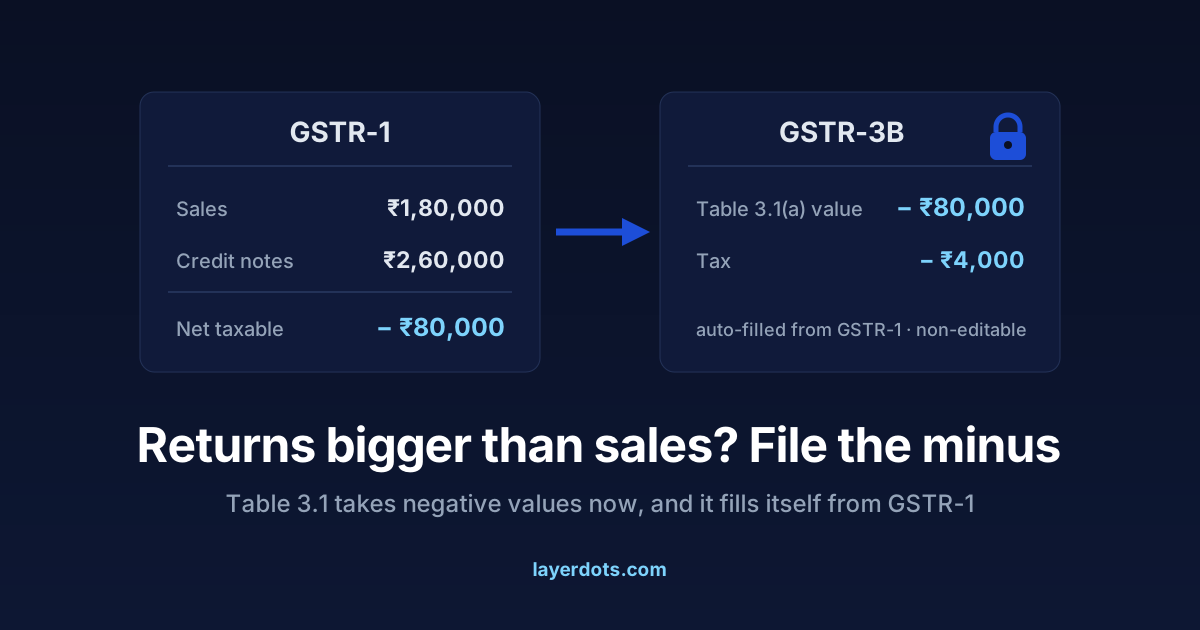
Sales returns more than sales: what your GSTR-3B should show now
GSTR-3B accepts negative values in Table 3.1 now, and since July 2025 the table fills itself from GSTR-1. The show-zero-and-carry-forward advice is dead.
Read the article →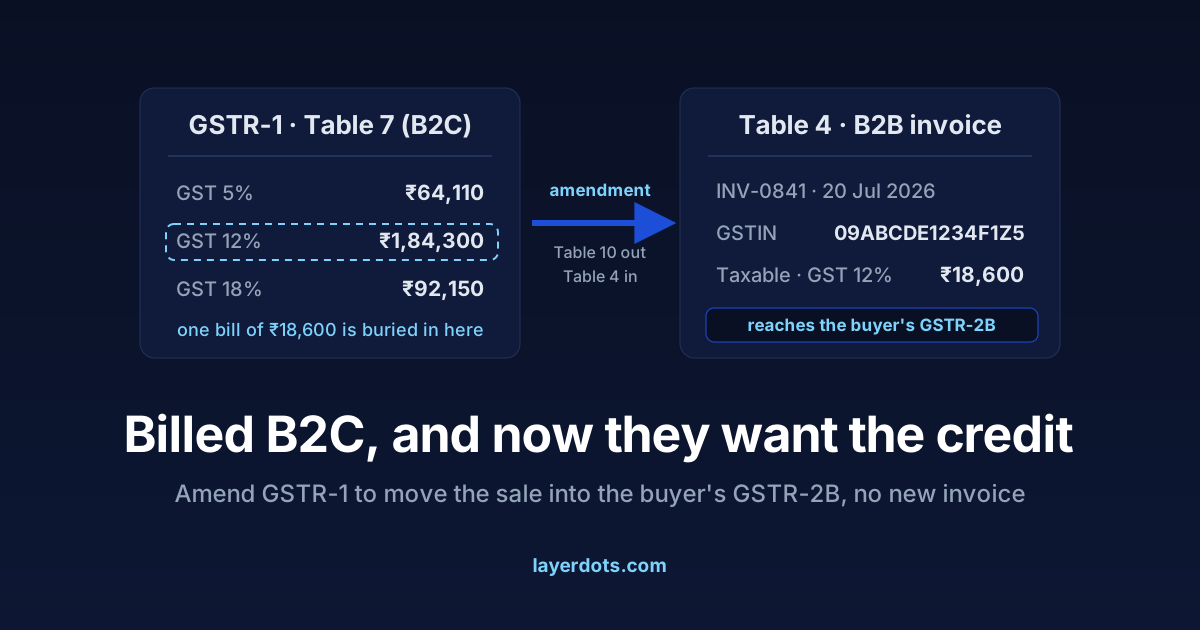
The customer gave their GSTIN after the bill: moving a B2C sale into their GSTR-2B
The fix is an amendment in GSTR-1, not a re-issued invoice. The Table 7 and Table 5 paths, the 30 November deadline, and when the buyer actually sees the credit.
Read the article →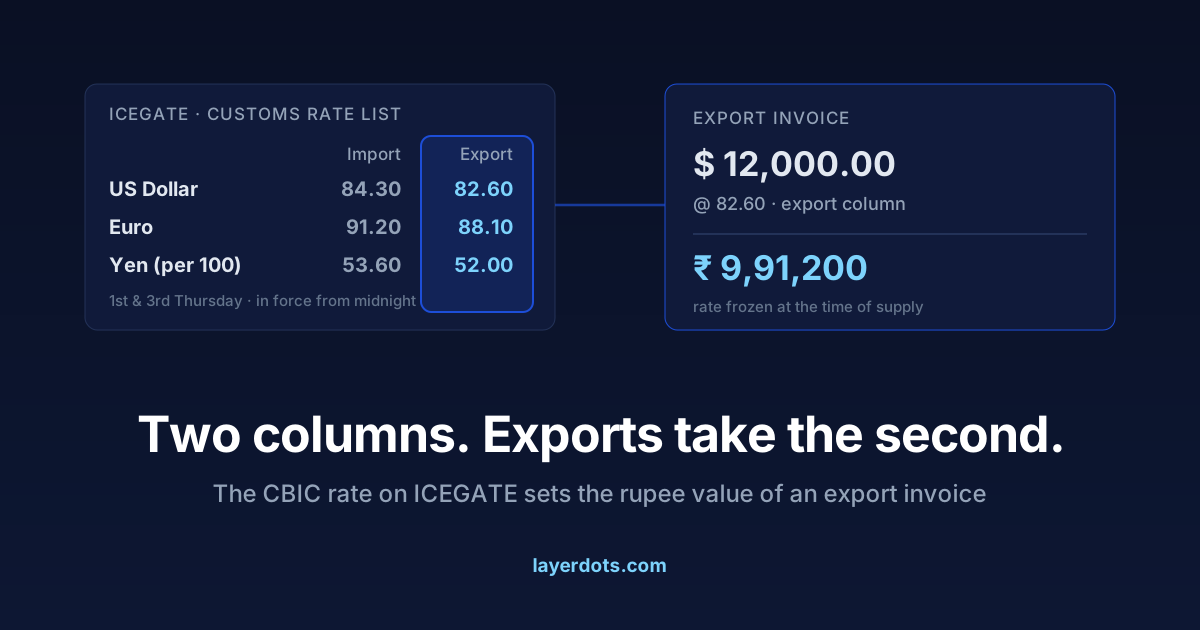
Which exchange rate goes on an export invoice, now that the notifications have stopped
Rule 34 points to the CBIC customs rate, the export column, frozen on the invoice date. Since July 2024 it lives on ICEGATE, not in a notification PDF.
Read the article →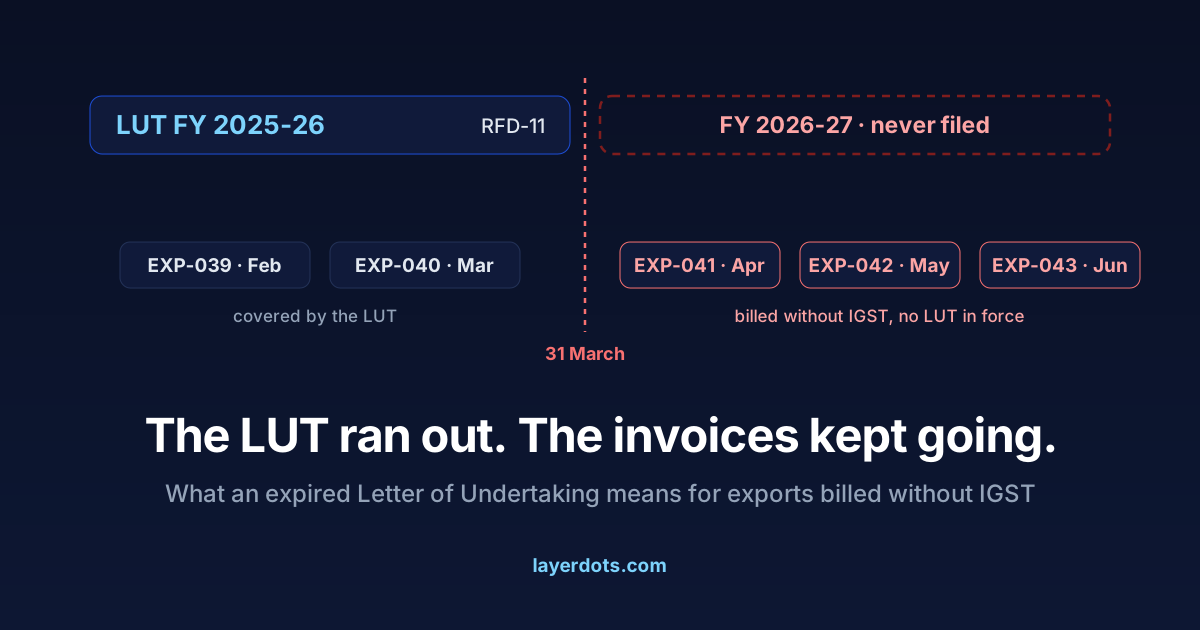
The LUT expired in March and export invoices kept going out. Now what?
What an expired Letter of Undertaking means for invoices already raised without IGST, and the ex post facto route the department itself provides.
Read the article →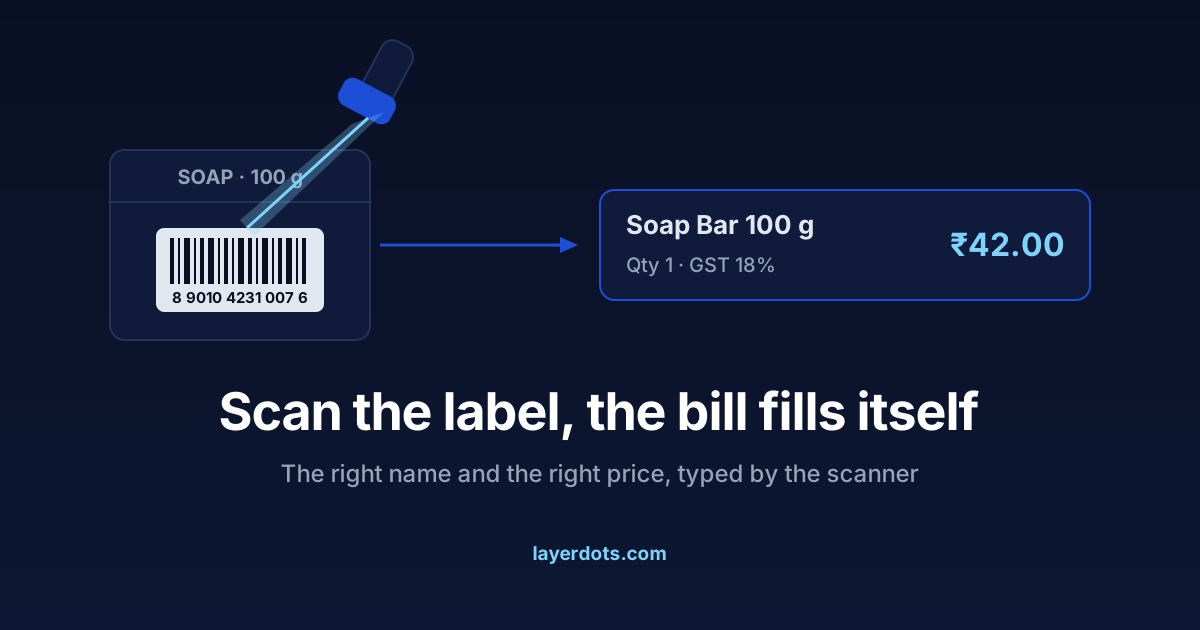
Barcodes in a small shop: from printed labels to faster, mistake-free billing
What a barcode actually stores, which goods already carry one, printing labels for the rest, choosing a scanner, and starting with your fifty fastest movers.
Read the article →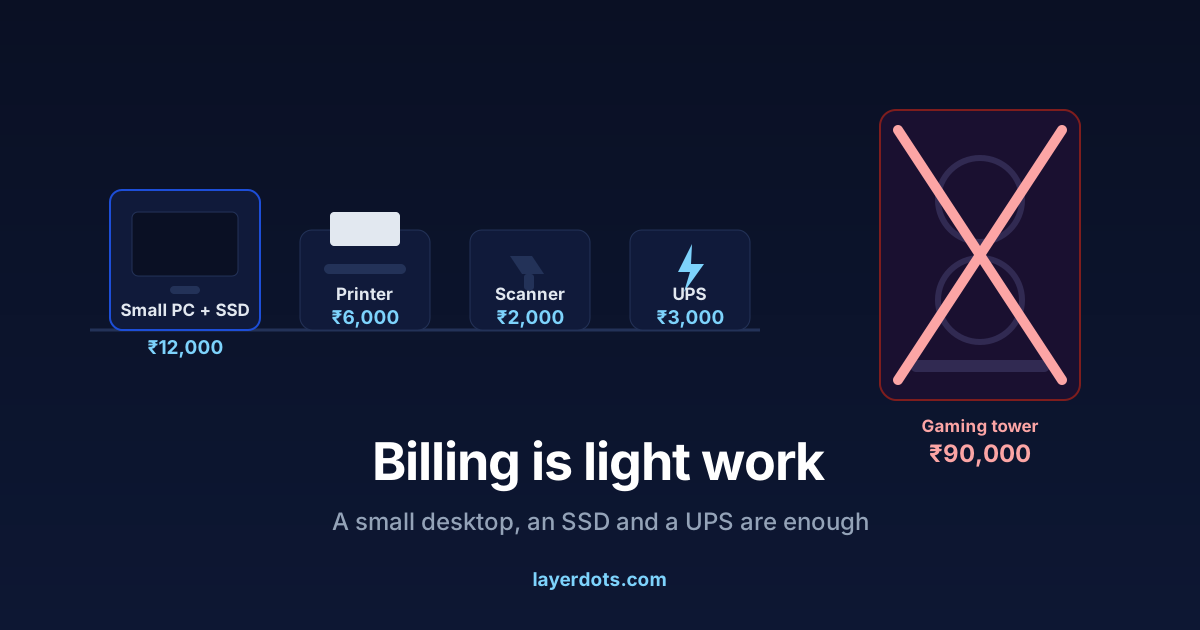
Buying a computer for shop billing: what is enough and what is wasted
Billing is light work. Why an SSD matters more than a fast CPU, new vs refurbished, Windows or Mac, the UPS question, and the real total cost with software.
Read the article →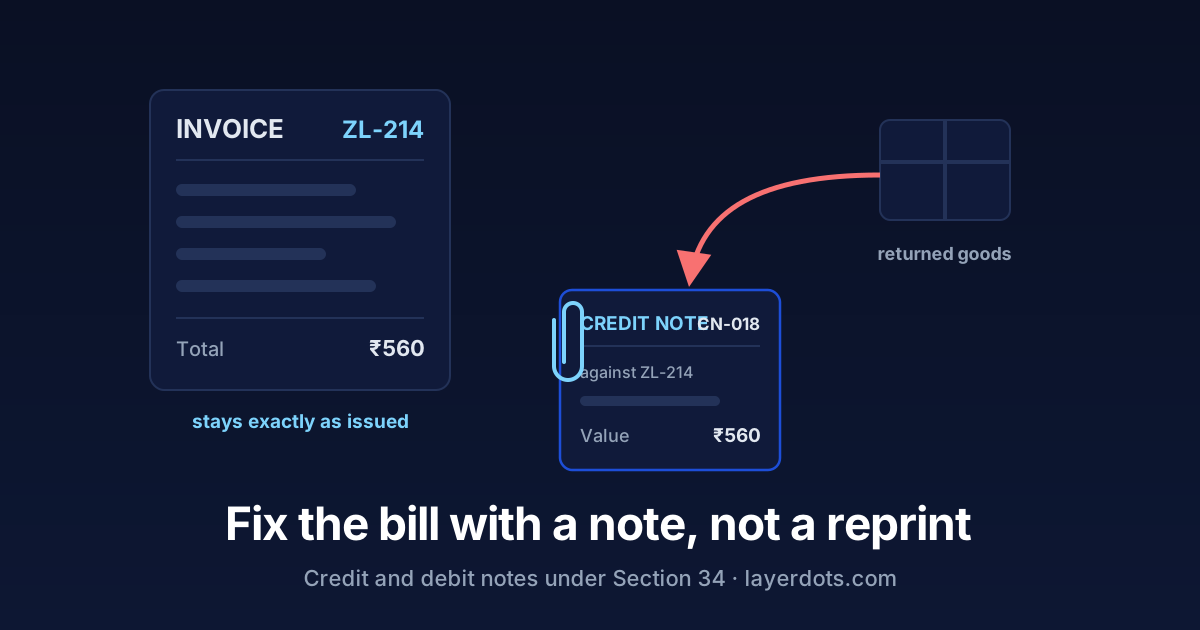
Credit notes and debit notes: fixing a bill without breaking your GST returns
When a sale comes back or a bill was wrong, Section 34 says issue a credit or debit note, not a corrected invoice. What to issue, when, and how GSTR-1 reports it.
Read the article →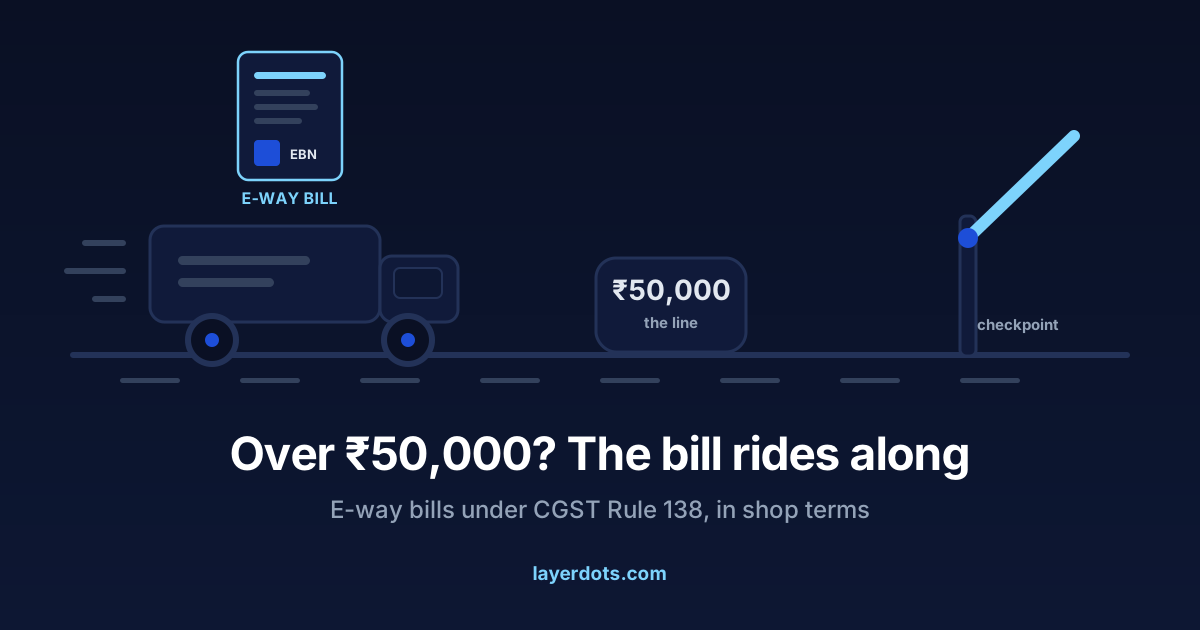
When does a shop actually need an e-way bill? Rule 138 in practice
Rule 138 in shop terms: when the 50,000 rupee threshold applies, who generates the e-way bill, Part A and Part B, validity, and the situations that need none.
Read the article →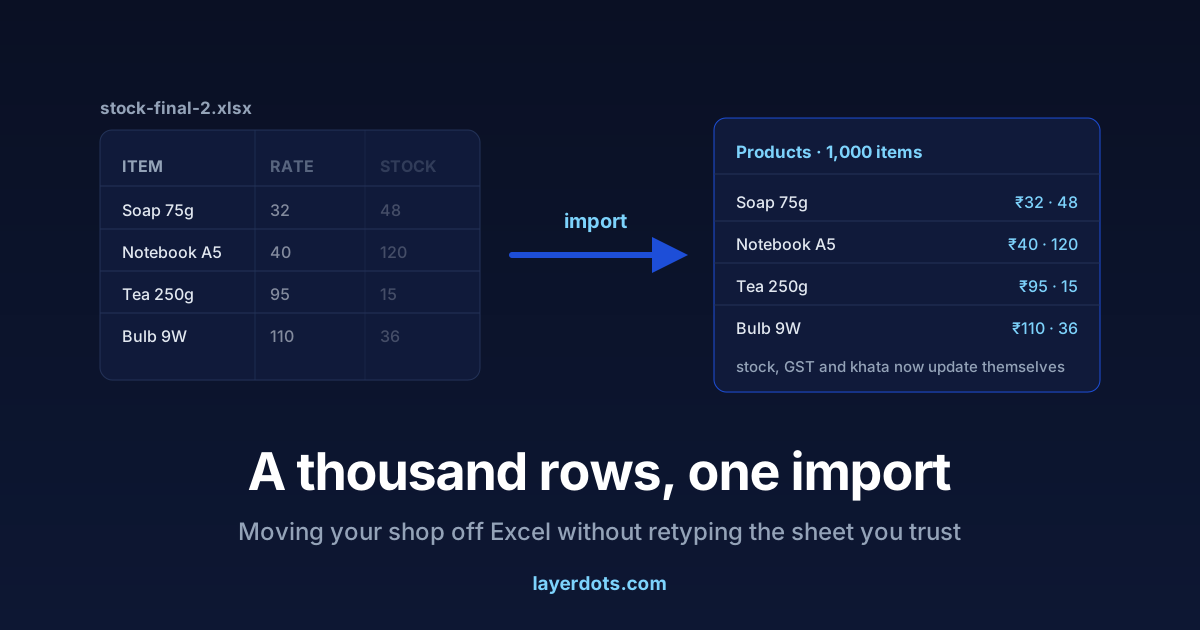
Moving your shop off Excel without losing the sheet you trust
The spreadsheet got you here, but stock math, GST returns and two people editing break it. How to import your product sheet and switch without a risky weekend.
Read the article →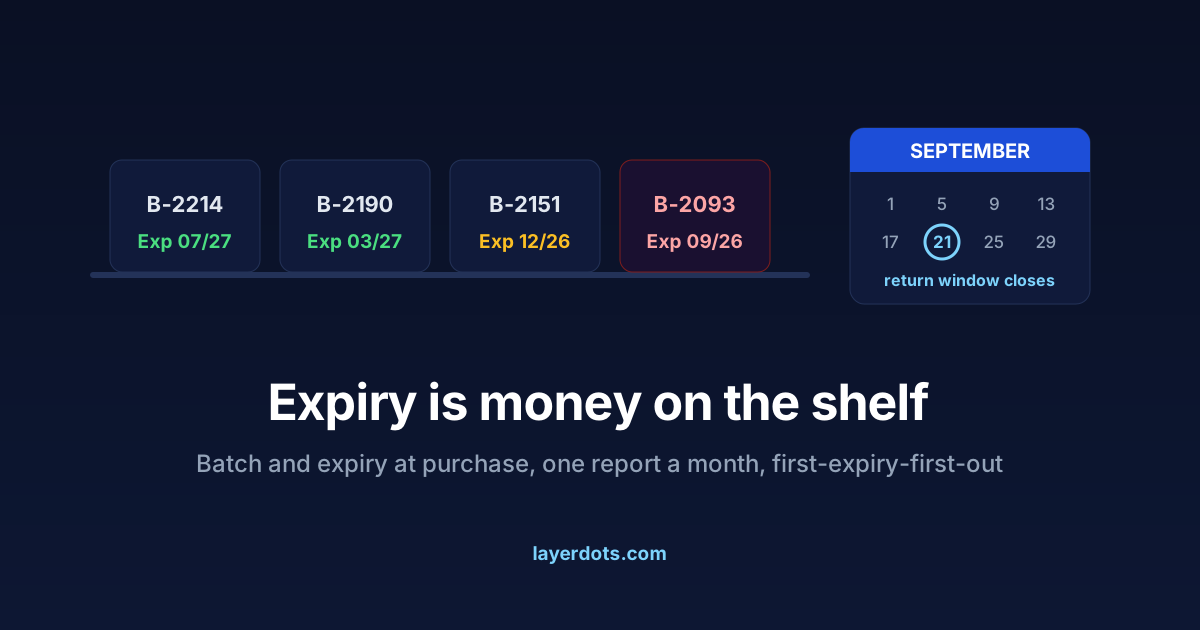
Expiry is money on the shelf: batch-wise stock without a stock-taking week
Expired stock is cash written off. How recording batch and expiry at purchase, a monthly expiry report, and first-expiry-first-out keep losses small.
Read the article →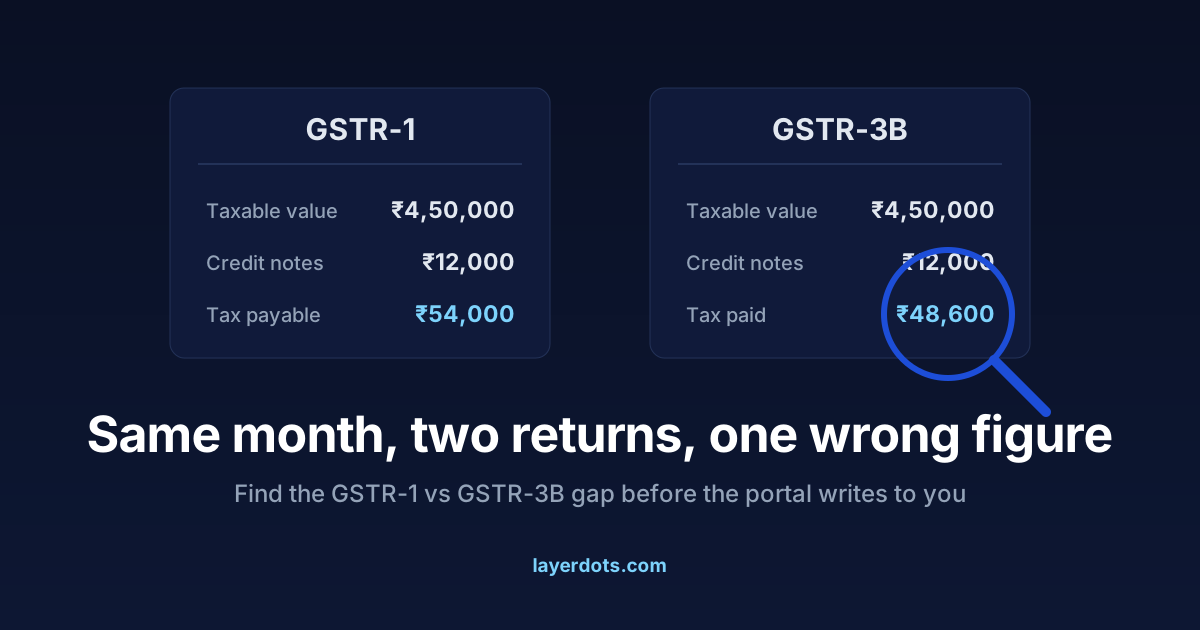
When GSTR-1 and GSTR-3B do not match: find the difference before the notice does
Why GSTR-1 and GSTR-3B drift apart in a small shop: missed credit notes, late bills, hand-typed figures. How to reconcile month by month and fix it cleanly.
Read the article →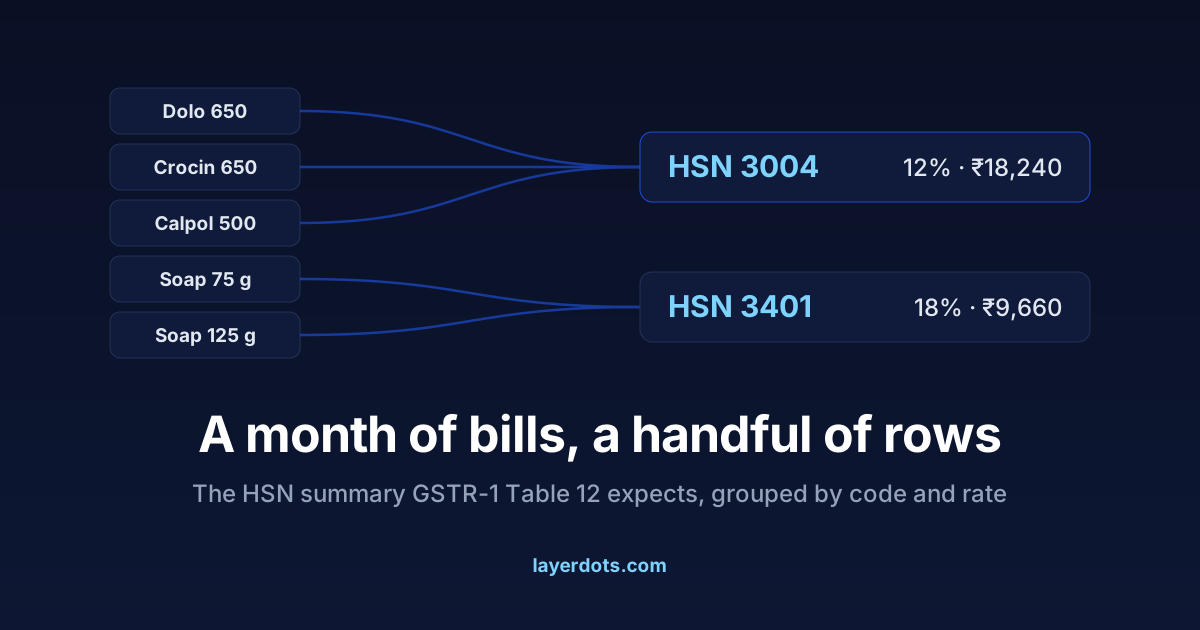
The HSN summary in GSTR-1: what Table 12 actually wants from a small shop
How many HSN digits your shop must report in GSTR-1 Table 12, why uploads get rejected, and how keeping HSN on the product makes the summary build itself.
Read the article →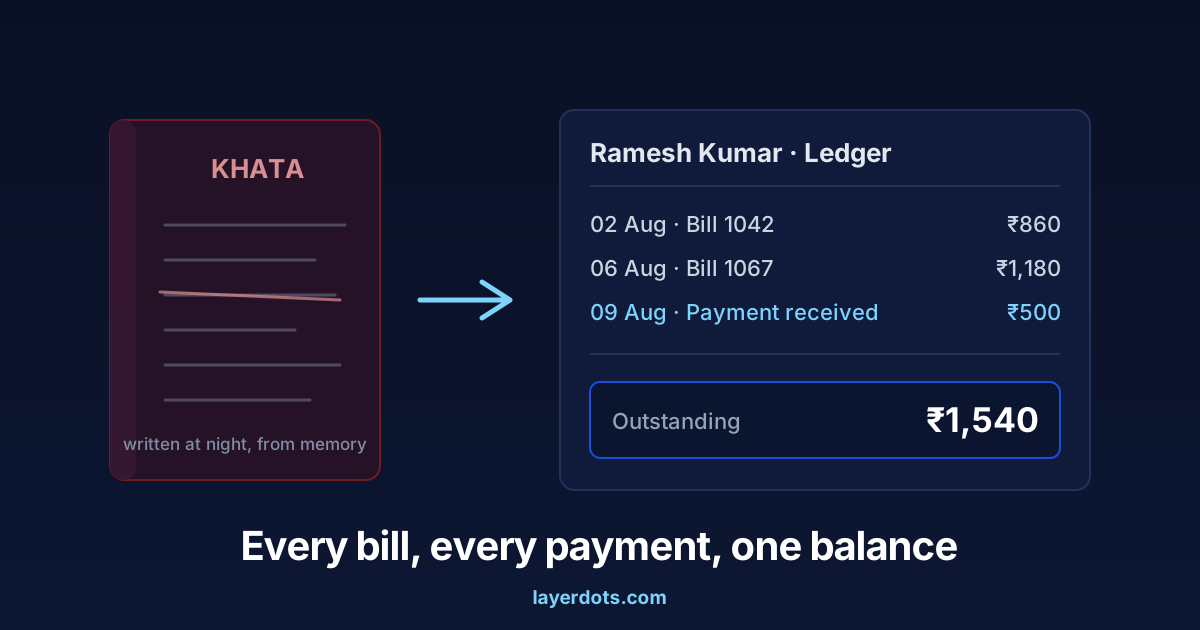
Udhaar that comes back: running credit sales without quietly losing money
Credit sales keep customers, unrecorded credit loses money. Setting limits, recording at the counter, sharing a clear statement, and asking without the fight.
Read the article →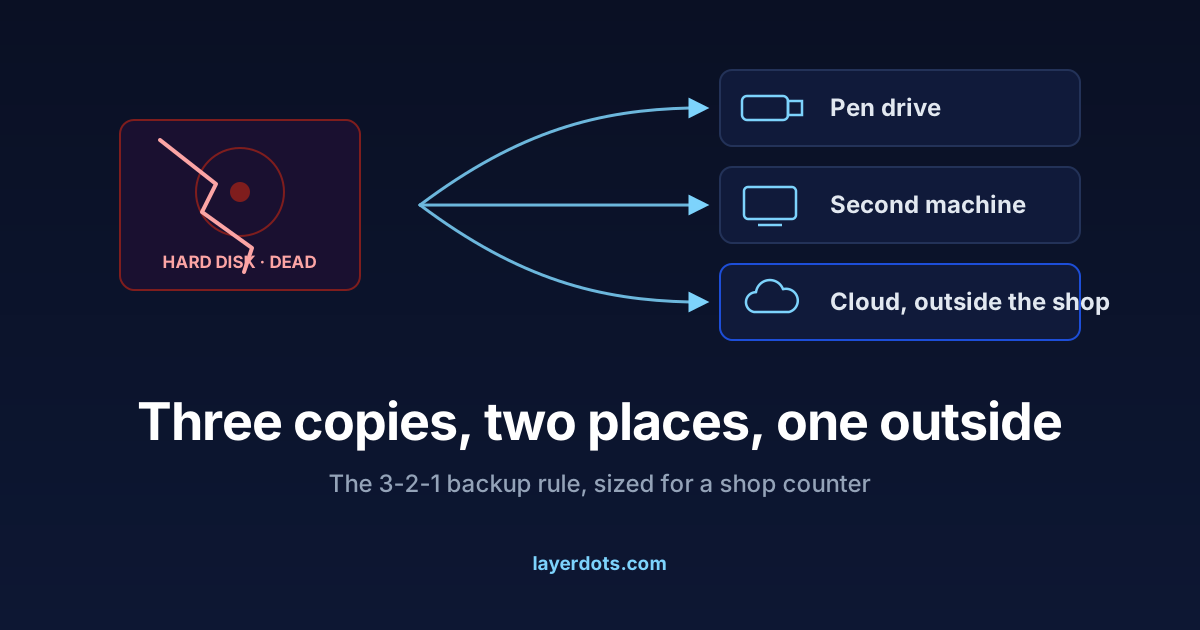
The day the hard disk dies: a backup habit that saves your shop's books
Disks fail, laptops get stolen, files get deleted. A shop version of the 3-2-1 backup rule, why a copy on the same computer is not a backup, and testing a restore.
Read the article →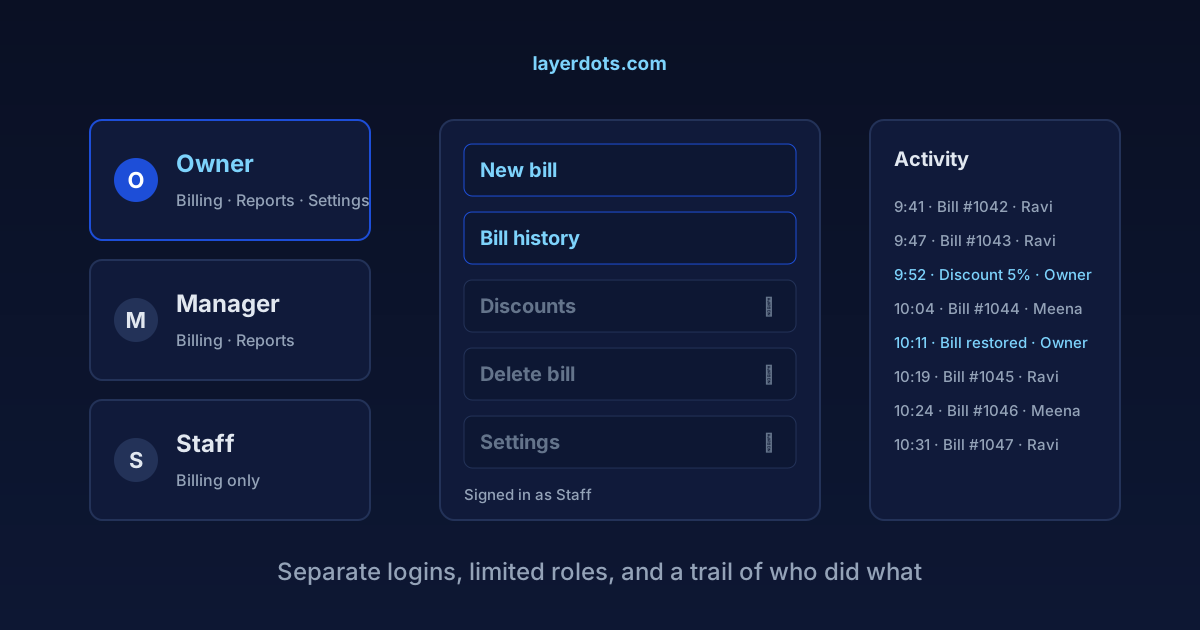
Leaving the counter to staff: roles, permissions and the missing 500 rupees
Most counter losses are small and repeated: unbilled sales, quiet discounts, deleted bills. How separate logins, limited roles and an activity trail close the gaps.
Read the article →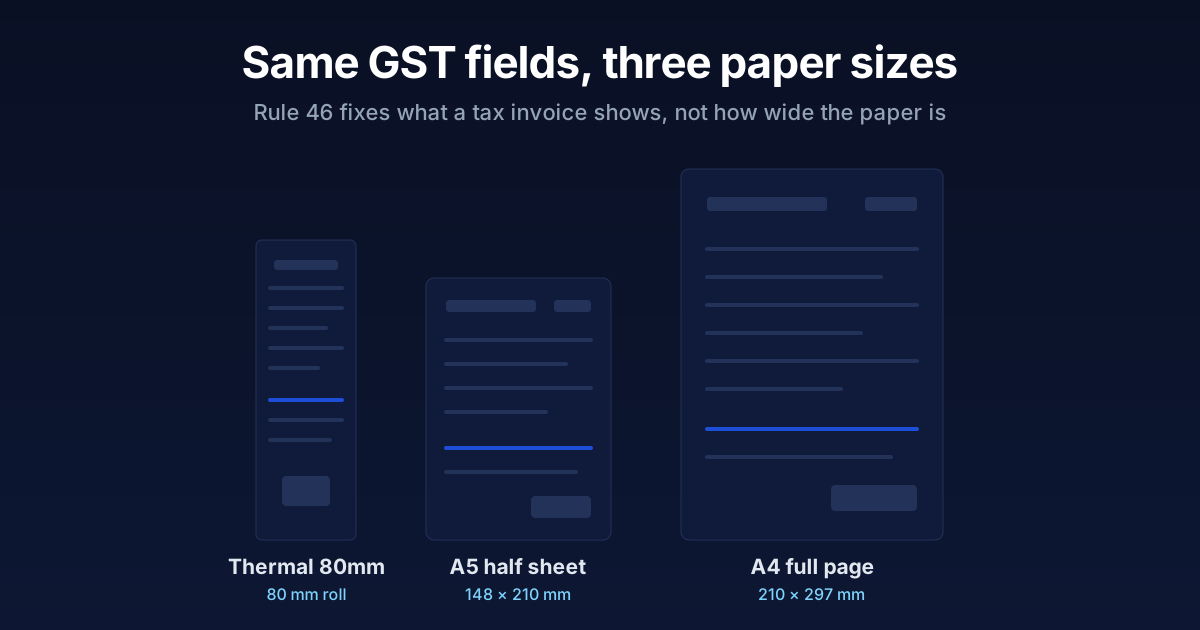
Thermal, A5 or A4: which invoice printer fits your counter
80mm and 58mm thermal, A5 and A4 compared for a shop counter: what GST needs on any size, running costs, fading thermal paper, and when one shop needs both.
Read the article →
Expired stock, damaged goods and GST: the input credit you have to give back
Expired medicine and damaged goods carry GST you already claimed as input credit. Section 17(5)(h) wants it back, through GSTR-3B Table 4(B)(1). What a chemist or kirana owner actually does, month by month.
Read the article →
Is 12% GST still applicable? Yes, and the notification names exactly what it covers
The internet says four slabs. The Gazette says seven schedules plus a standalone 12% levy on bricks and roofing tiles, with gold still at 3% and 28% alive until February 2026. Why a trimmed rate list stops a shop from billing, including, for eleven days, ours.
Read the article →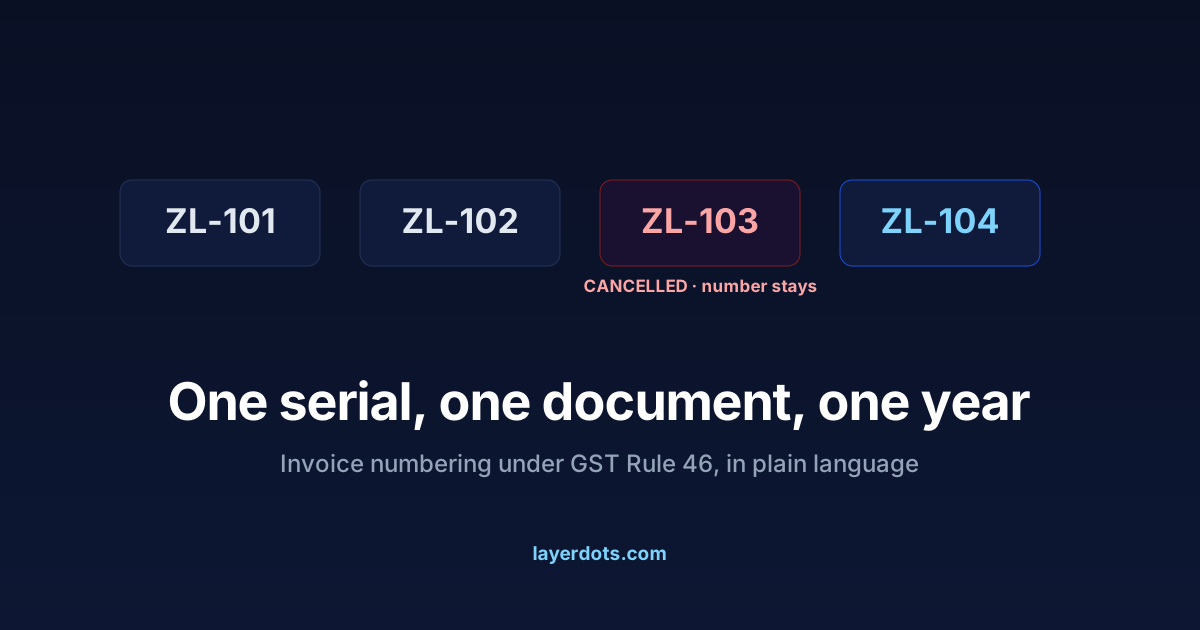
Can you reuse a cancelled invoice number? GST numbering rules, explained simply
What Rule 46 actually asks of your bill numbers: why a cancelled bill keeps its serial, when a gap is fine, how the series restarts each April, and what GSTR-1's documents table reports. The rules your cashier should never have to remember.
Read the article →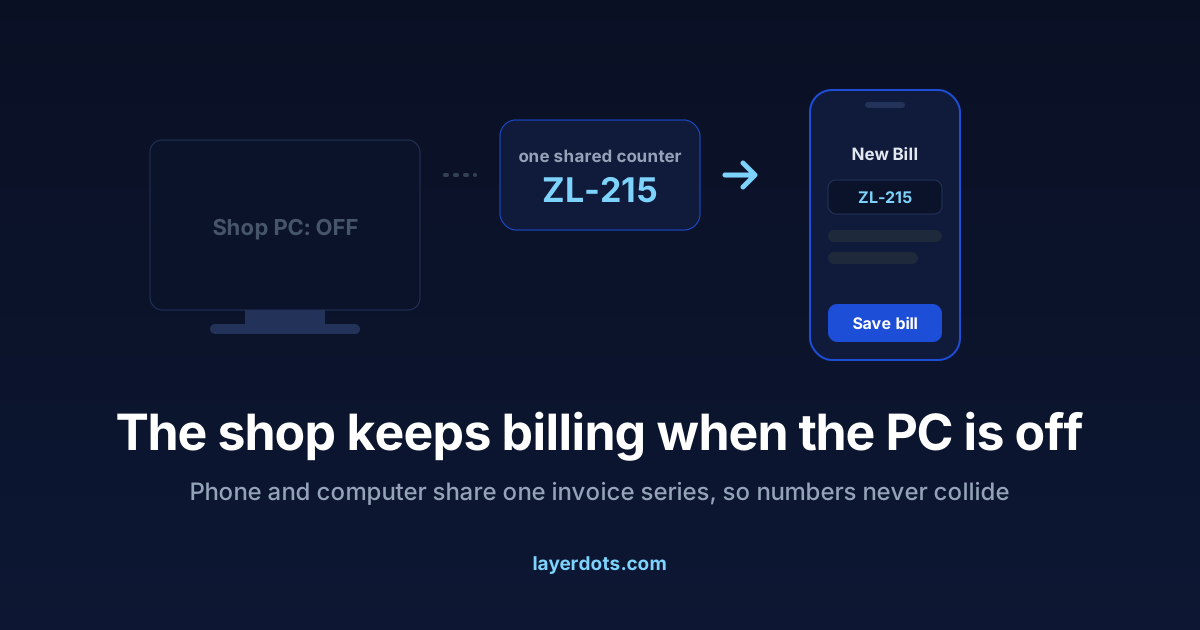
Make GST bills from your phone, even when the shop computer is off
A companion app on the counter WiFi when the PC is on, cloud billing when it is off, and one shared invoice series so two devices can never issue the same bill number. Including the honest trade: that mode needs the internet, and why.
Read the article →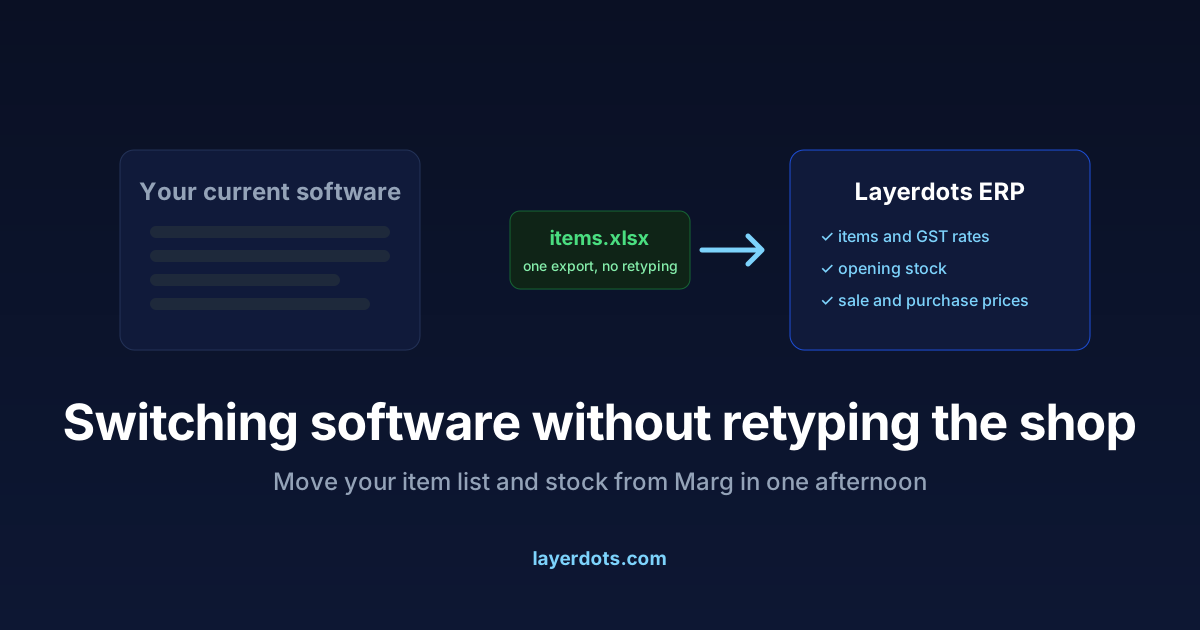
How to export your item list from Marg and import it without retyping
The step-by-step migration: which Marg columns map to which fields, what opening stock does to your reports, why a .mbk backup will not work, and how to check the result. For the decision itself, see the Tally/Marg alternative piece.
Read the article →
What Marg, Vyapar and GoFrugal actually cost in 2026
The prices you find online disagree with each other: licence, AMC, add-ons and per-user charges hiding in different lines. How to decode any vendor's quote, with sources.
Read the article →
Leaving Tally or Marg: what a retail shop actually needs instead
The honest reasons shops move on, and the switching cost nobody mentions: getting your items and stock across. A photograph of a supplier invoice does most of that work.
Read the article →
Kirana store billing software: udhaar, loose items, and staff who read Hindi
A kirana runs on credit, loose quantities and staff who read Hindi faster than English. Billing software that ignores any one of the three fails at the counter.
Read the article →
Billing software for a hardware shop: variants, loose stock, contractor credit
Sizes and brands as variants, cut lengths and loose fasteners, contractors on months of credit, and the evening purchase pile handled by a photograph.
Read the article →
GST billing for wholesalers: e-way bills, B2B invoices, two counters
B2B invoices with buyer GSTINs, e-way bills without re-typing into the NIC portal, credit across many buyers, and two counters billing on one licence.
Read the article →
Does your shop need e-invoicing? The ₹5 crore rule, in plain words
For most B2C retail shops the honest answer is no. Who the mandate actually covers, what you file instead, and the mistakes that get GSTR-1 uploads rejected.
Read the article →
GST billing and inventory software for Mac: native, not a workaround
A full shop system is a Windows habit in India, and Mac owners are usually offered a rented cloud PC or a compatibility layer. Layerdots installs straight onto macOS: Apple-silicon and Intel builds, notarised by Apple, one licence shared with Windows.
Read the article →
Offline billing software: why your shop's books stay on your computer
Billing, inventory, reports and backups with no internet at all, and your data in a folder you can see and copy. Cloud sync exists, but it is optional, off by default, and erasable. Why we built Layerdots local-first.
Read the article →
Medical store billing software: what a pharmacy actually needs
Batch-wise stock, expiry before it becomes dead stock, GST per line and a GSTR-1 export, plus the supplier-invoice pile handled by a photograph. Pharmacy billing done properly.
Read the article →